


Feed your brain
The latest in gut health research, made digestible.
It’s more than you think
Get smart on gut health
Gut health is about more than just digestion and includes all the ways your gut performs the vital functions needed by your body. Did you know? your gut is home to your microbiome, the trillions of bacteria and other organisms that make up your gut flora. Studies show that the good bacteria composition in your belly is unique to you and can have a positive impact beyond digestion. Especially when it’s supported with an overall healthy routine and lifestyle that includes a diet that supports gut health.
Your gut’s fingerprint
Each person's gut microbiome is unique and can be influenced by birth method, environment, diet, pet exposure, and even hygiene habits. The gut microbiome consists of various microorganisms—bacteria, fungi, mold, and yeast—some beneficial, others pathogenic. “Good” bacteria are typically more plentiful than “bad” bacteria—helping to break down food, turn it into nutrients, and nourish your gut. “Bad” bacteria can be amplified by stress, antibiotics, illness, age, and diet. How much you have of each depends on your body’s unique microbiome, how you care for it, and if you follow a balanced, healthy diet.
Meet your second brain
Gut health can impact your mind. The gut-brain connection is formed from the 100 million neurons that reside in the digestive tract, which acts as another nervous system—the enteric nervous system. Those butterflies in your stomach? That’s your second brain firing. And while our brain can affect our gut, the reverse is also true—the condition of your gut can influence your mood or even the way you think, which is why gut health is important.
Gut health diet
You are what you eat, and so is your gut. Here are our favorite gut-friendly foods.


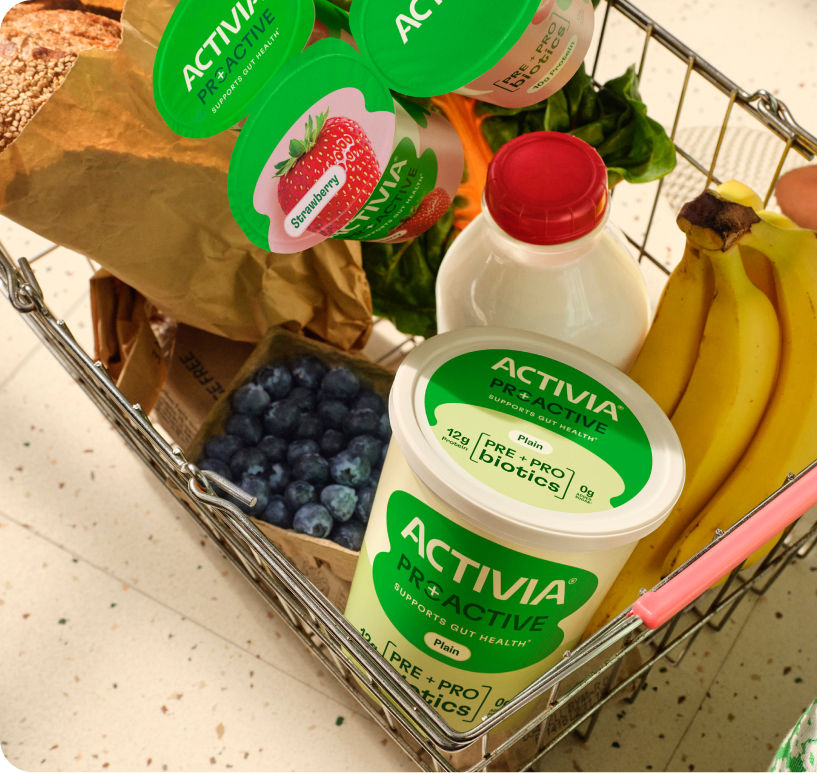
Want more details on why gut health is important and what gut health is? Dig in.
The gut is a complex system that performs a lot of essential functions for your overall health. The small intestine breaks down the food you eat and absorbs nutrients, while the large intestine absorbs water and electrolytes while removing waste from the body. The large intestine contains a complex microbiome composed of a variety of microorganisms that help regulate our digestive and overall health. What you eat and your lifestyle can directly affect your gut health, your microbiome composition, and how you feel.
Yes, Activia supports gut health. Each serving contains billions of live and active probiotics. Consuming Activia twice daily for two weeks as part of a balanced diet and healthy lifestyle may help reduce the frequency of minor digestive issues, such as gas, bloating, rumbling, and abdominal discomfort.
A healthy gut microbiome is an important defense against harmful bacteria. Good gut bacteria can combat the bad, keeping microbes from reaching your bloodstream and affecting your overall health. A healthy gut is also better at absorbing nutrients and nourishing your other organ systems. Your gut not only oversees digestion, but it can also impact the immune system, weight regulation, and blood sugar, so taking great care of your gut takes better care of your whole body.
Wondering how your gut health measures up? Here are just some of the signs to look out for that may be symptoms of poor gut health:
Constipation and bloating
Stomach issues like bloating and constipation are some of the most obvious signs of an unhealthy gut. They could be occurring due to a lack of fiber in your diet, so try to pack in more fruit, veg and whole grains, along with plenty of fluid [19]. But it’s also a good idea to increase your fiber intake gradually, or that in itself can cause bloating and gas.
Unintentional weight loss
If you’re losing weight without meaning to, it could be a sign of poor gut health, gastrointestinal disease[20], or something more serious. If you’re concerned about unintentional fluctuations in your weight, speak to your doctor.
If you notice any of these signs of an unhealthy gut, or just want to know how to look after and maintain your gut microbiome, read our top tips to support your gut health.
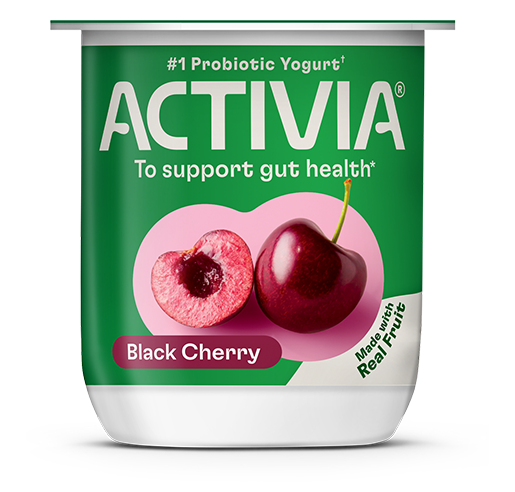
Nourishing your gut with healthy, live cultures.
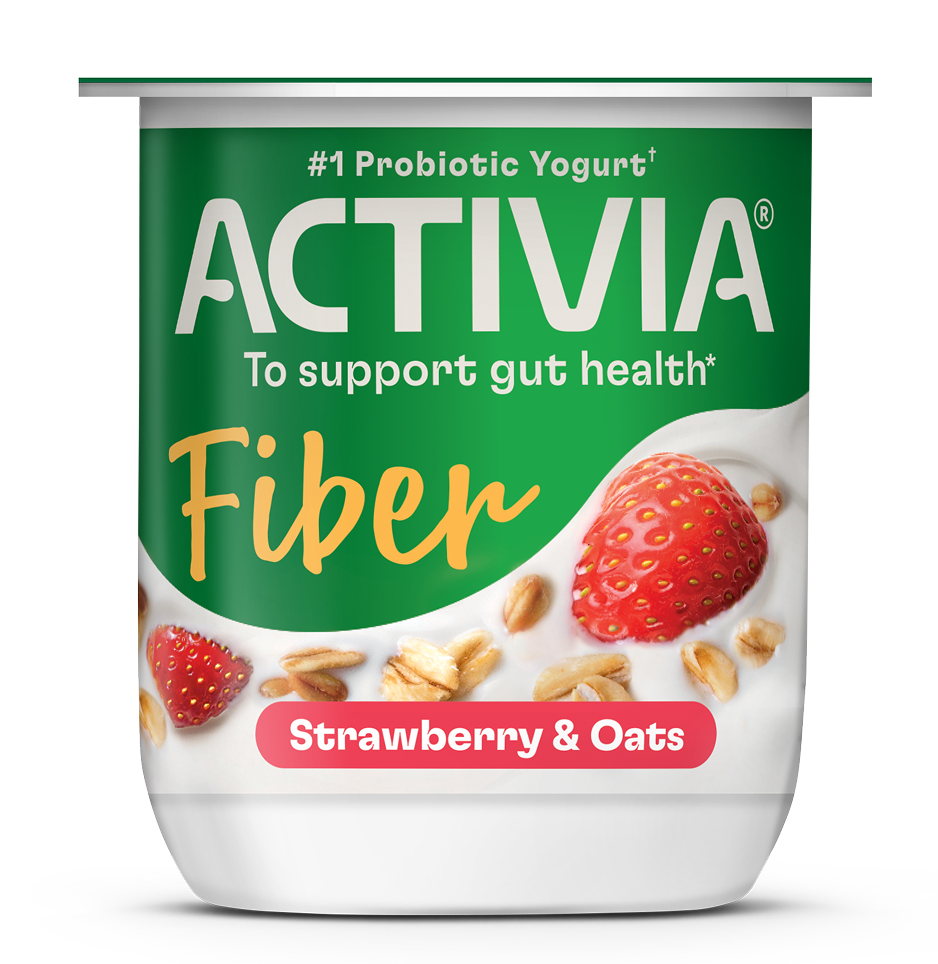
Delivers a good source of fiber with 3g to help fuel your day.
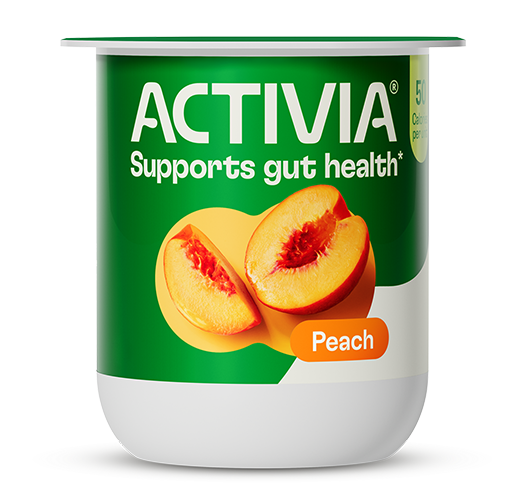
Pure, natural goodness in every bite.
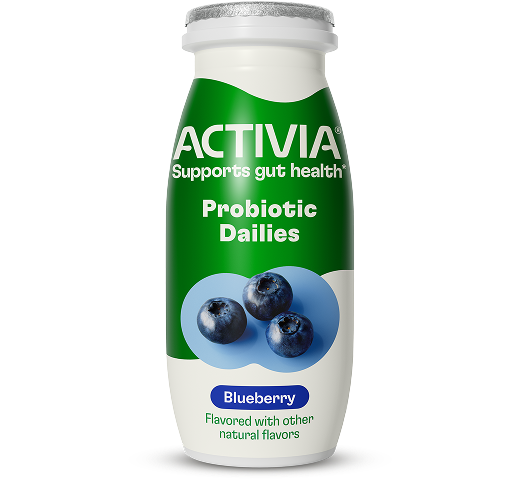
Delicious nutrition for a happy, healthy gut.


 SUPPORTS GUT HEALTH
 FULL OF LIFE
FULL OF FLAVOR
TRY OURPROACTIVE PROTEIN YOGURT
FULL OF LIFE
FULL OF FLAVOR
TRY OURPROACTIVE PROTEIN YOGURT

?ts=1775657353151&dpr=off)





