When consumed two times a day as part of a balanced diet and gut healthy routine, Activia may help reduce the frequency of minor digestive discomfort. Two double-blind, randomized, placebo-controlled studies and a pooled analysis show that Activia may support gut health when consumed twice a day for two weeks as part of a balanced diet and lifestyle. We also have survival studies showing that our exclusive probiotic strain can survive passage through the entire gastrointestinal tract.

Frequently asked questions


Activia®is a yogurt brand that contains live cultures, including a probiotic strain exclusive to Activia. In addition to being tasty, Activia’s probiotic yogurt products may help reduce the frequency of minor digestive discomfort when consumed twice a day for two weeks as part of a balanced diet and healthy lifestyle. Minor digestive discomfort includes bloating, gas, abdominal discomfort, and rumbling.
Absolutely. Activia is great for when you’d normally have a yogurt, smoothie, or other sweet treat. Our products have low fat or non fat milk, fruit, and billions of live and active probiotics. We also have products that are a good source of fiber.
Although other products may help support gut health, Activia products are the only yogurt products in the U.S. that contain our exclusive, studied probiotic strain. Our research has shown that our products can help reduce minor digestive discomfort, while other products may not contain probiotics that are linked to digestive health.
Yes. Activia probiotic yogurts contain our exclusive probiotic strain, as well as 4 or 5 additional live cultures depending on what product you choose.
Studies show that you may start seeing a reduction in minor digestive issues in as little as two weeks of eating Activia two times a day.
There have been no adverse effects or side effects reported in the studies we have done on Activia when 1 to 3 containers are eaten per day as part of a balanced diet and healthy lifestyle. However, the Activia benefit is associated with regular consumption. If you are not happy with the impact on your system, the effect will end after you stop eating the product.
Activia products in the US are kosher-certified by Rabbi David I. Sheinkopf.
Activia Fiber contains chicory root fiber, wheat flakes, rolled oats, and wheat bran. In total Activia Fiber provides 3 grams of fiber, making it a good source of fiber. The wheat flakes, rolled oats, and wheat bran in Activia Fiber provide subtle texture and a distinctive taste compared to regular Activia.
The cereal pieces in Activia Fiber are rolled wheat flakes, wheat bran, and rolled oats.
The number of calories vary based on the product. Our probiotic yogurts are between 60-120 calories per serving, depending on which you select. Our drinkable yogurts are between 45-160 calories depending on the product and the serving size.
We offer several 0g added sugar options across our Proactive Yogurt, Probiotic Yogurt, and Dailies Yogurt products. Our classic Probiotic Yogurts can contain up to 9g of sugar, while a 7 fl oz Probiotic Dailies drink can contain up to 23g of sugar.
Activia probiotic products contain between 3-10g of protein per serving depending on which product you select.
All Activia products are gluten-free with the exception of Probiotic Yogurt With Fiber, which contains wheat.
We use reduced fat and non fat milk in all Activia products.
Prebiotics feed the good bacteria that are part of your gut microbiome.
Fiber has a variety of benefits and is found mainly in plant foods such as fruits, vegetables, whole grains and members of the bean family called legumes. Fiber is best known for its benefits on digestive health but foods with fiber can have other good effects as well such as supporting heart health, healthy blood sugar levels and supporting a healthy weight. Adults should try to consume around 28g of fiber per day as part of an overall healthy eating pattern.
Prebiotics are non-digestible dietary fibers that feed the beneficial bacteria that lives in the gut. Prebiotics are found naturally in plants we eat—like onions, garlic, bananas, beans, and grains—and are sometimes added to beverages and foods, like Activia’s Proactive yogurt.
Activia's exclusive probiotic strain was specifically selected because of its ability to survive in dairy. Our probiotic strain also survives passage through the digestive system and reaches the large intestine in sufficient amounts. We have clinical studies to support our gut health benefit and we ensure that the amounts of cultures and probiotics in our Activia products match up with the amounts we used in our studies.
There are several reasons why probiotic foods are the preferred choice for getting probiotic bacteria over pills. Consuming probiotics through foods allows the stomach acids to be buffered and increases the chance that the probiotics will survive and make it to the large intestine. Probiotic supplements in the form of pills usually don’t provide nutrients that the cultures found in probiotic foods like yogurt produce during fermentation. Finally, fermented dairy products, like yogurt, can also be a source of nutrients that are critical for good health such as calcium, protein, vitamin D, and potassium.
All yogurts are made with cultures, but most yogurts do not contain probiotics. Probiotics are live, friendly bacteria that have been studied and shown to provide a health benefit, when consumed in sufficient amounts.
The gut is a complex system that performs a lot of essential functions for your overall health. The small intestine breaks down the food you eat and absorbs nutrients, while the large intestine absorbs water and electrolytes while removing waste from the body. The large intestine contains a complex microbiome composed of a variety of microorganisms that help regulate our digestive and overall health. What you eat and your lifestyle can directly affect your gut health, your microbiome composition, and how you feel.
A healthy gut microbiome is an important defense against harmful bacteria. Good gut bacteria can combat the bad, keeping microbes from reaching your bloodstream and affecting your overall health. A healthy gut is also better at absorbing nutrients and nourishing your other organ systems. Your gut not only oversees digestion, but it can also impact the immune system, weight regulation, and blood sugar, so taking great care of your gut takes better care of your whole body.
Probiotic yogurt is a fermented dairy product that in addition to the cultures needed to ferment the milk, including Lactobacillus bulgaricus and Streptococcus thermophilus also has a specific probiotic strain of bacteria added. Activia has an exclusive probiotic strain, Bifidobacterium lactis CNCM I-2494.
While all yogurts have cultures, not all yogurts contain probiotics. Some of the most common probiotics to look for are:
Lactobacillus (examples: L. plantarum, L. casei, L. reuteri, L. acidophilius)
Bifidobacterium (examples: B. bifidum, B. lactis, B. animalis, B. longum)
A probiotic should be labeled not only with the genus and species, but also should include the strain information, usually a combination of letters and numbers.
It means that specific probiotic bacteria are added to the yogurt. The benefits of probiotics are strain-specific so, depending on the bacteria, the product would provide a specific benefit. Activia’s probiotic strain supports gut health.
Activia Proactive flavored yogurt contains Live Cultures L. bulgaricus (2), L. lactis, S. thermophilus, and Live and Active Probiotic B. lactis DN 173-010/CNCM I-2494, which is our signature probiotic strain. Activia Proactive plain yogurt contains Live Cultures L. bulgaricus (2), L. lactis, S. thermophilus (2), and our signature Live and Active Probiotic B. lactis DN 173-010/CNCM I-2494.
Yes, Activia supports gut health. Each serving contains billions of live and active probiotics. Consuming Activia twice daily for two weeks as part of a balanced diet and healthy lifestyle may help reduce the frequency of minor digestive issues, such as gas, bloating, rumbling, and abdominal discomfort.
Activia is helpful for supporting gut health and addressing minor digestive discomforts.
Our clinical studies showed that eating two containers of Activia each day for two weeks, as part of a balanced diet and healthy lifestyle provided a gut health benefit. You will need to continue to consume the product on a daily basis to receive the benefit.
Wondering how your gut health measures up? Here are just some of the signs to look out for that may be symptoms of poor gut health:
Constipation and bloating
Stomach issues like bloating and constipation are some of the most obvious signs of an unhealthy gut. They could be occurring due to a lack of fiber in your diet, so try to pack in more fruit, veg and whole grains, along with plenty of fluid [19]. But it’s also a good idea to increase your fiber intake gradually, or that in itself can cause bloating and gas.
Unintentional weight loss
If you’re losing weight without meaning to, it could be a sign of poor gut health, gastrointestinal disease[20], or something more serious. If you’re concerned about unintentional fluctuations in your weight, speak to your doctor.
If you notice any of these signs of an unhealthy gut, or just want to know how to look after and maintain your gut microbiome, read our top tips to support your gut health.
Yes. Probiotics do not stay in the gut for long. To keep the benefits coming, we recommend consuming two servings of Activia each day, as part of a balanced diet and healthy lifestyle.
To get the full benefit of Activia, our research shows it should be consumed twice a day to support gut health.
Whenever you like! We find that many people like to include a probiotic yogurt or drink with their breakfast, but Activia is also delicious as a snack or a sweet treat at the end of the day.
The Gut Health Challenge is a low stakes way to start incorporating gut-friendly habits into your daily routine. It's all about consuming Activia twice a day for 14 days. Research shows that Activia may help reduce the frequency of minor digestive discomfort when consumed twice a day for two weeks as part of a balanced diet and lifestyle*
As far as challenges go, it’s very easy. Grab a coupon for up to $2 off Activia yogurt, pick up your favorite Activia products, and consume twice a day for 14 days. Let us know how it goes using #GetYourGutInGear on Instagram or TikTok.
All of our Activia products are perfect for the Gut Health Challenge. However, our coupons will only apply to specific products. You can see our coupon options here and snag your favorite (terms and exclusions apply).
The prize is how you’re feeling at the end. But if you’re looking for some incentive for participating, click here to get up to $2 off Activia (terms and exclusions apply).
Gut-friendly goodness starts here
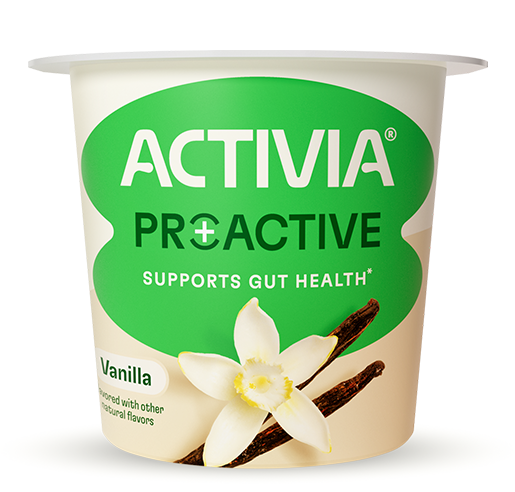
Proactive Yogurt
Rich in complete protein to support
your muscles and help you feel satisfied.
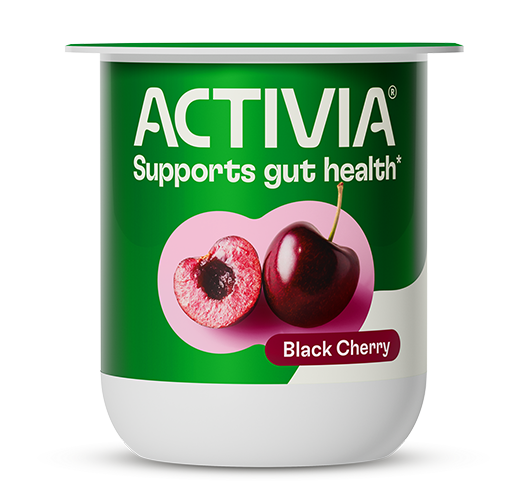
Probiotic Yogurt
Support your gut health* and contains billions of live and active probiotics.
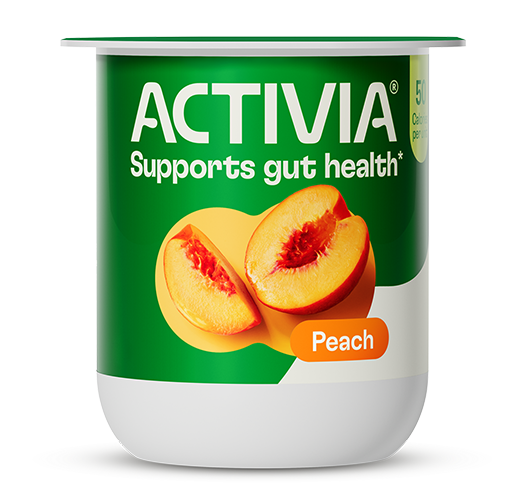
Zero 0g Added Sugar** Yogurt
Serving billions of probiotics
with 0g added sugar**
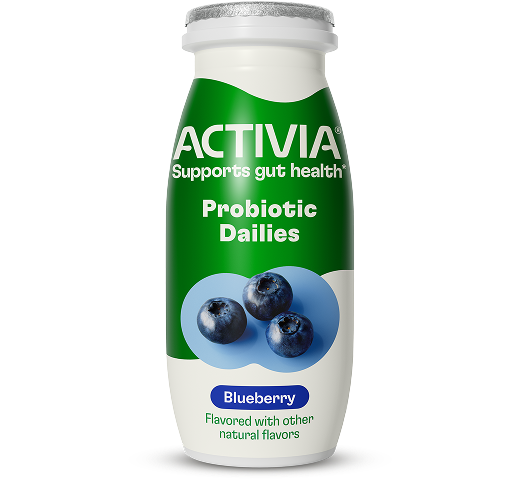
Dailies
A quick, simple, and tasty way
to get in probiotics every day.

 SUPPORTS GUT HEALTH
 FULL OF LIFE
FULL OF FLAVOR
TRY OURPROACTIVE PROTEIN YOGURT
FULL OF LIFE
FULL OF FLAVOR
TRY OURPROACTIVE PROTEIN YOGURT



